
These issues contribute to a downward spiral, where the psychological burden of guilt and shame exacerbates drinking behavior, hence reinforcing the vicious cycle of addiction. Alcohol poisoning happens when there’s so much alcohol in your bloodstream that it starts shutting down life-supporting areas of https://greymatters.net.au/10-tips-to-overcome-shame-and-guilt-in-addiction/ your brain. Behaviorally, the transition from sobriety to euphoria is marked by subtle changes in demeanor. People may laugh more easily, feel more sociable, and experience a heightened sense of well-being. For some, this stage can enhance creativity or make mundane activities seem more enjoyable. Drinking too much and too quickly can lead to significant impairments in motor coordination, decision-making, impulse control, and other functions, increasing the risk of harm.
- This is part of our ongoing commitment to ensure FHE Health is trusted as a leader in mental health and addiction care.
- At the heart of this phenomenon lies the release of dopamine and endorphins, two neurotransmitters intimately linked to pleasure and reward.
- PHPs offer structured, intensive treatment during the day, allowing individuals to return home in the evenings, serving as a bridge between inpatient and outpatient care.
- Other serious health risks include heart problems, stroke, and various cancers, while individuals face significant neurological damage, including conditions like Wernicke-Korsakoff Syndrome.
More on Substance Abuse and Addiction
Find complete care no matter where you are in your journey to healing a mental health or substance use disorder. Contact us today to schedule an initial assessment or to learn more about our services. Whether you are seeking intensive outpatient care or simply need guidance on your mental health journey, we are here to help. Addressing these health complications requires comprehensive Substance abuse medical intervention and lifestyle changes to halt disease progression and improve overall health outcomes.

For Loved Ones: How to Support a Loved One’s Mental Health
Even if you’re unconscious, your stomach and intestines continue to release alcohol into your bloodstream, increasing the level of alcohol in your body. Your liver usually does a good job of keeping alcohol’s toxins from getting into your bloodstream. But if you drink a lot in a short time, your liver may not be able to keep up. Each of these treatments plays a vital role in addressing the multifaceted nature of alcohol addiction, and a combination tailored to the individual’s needs yields the most effective results.

The Science of Addiction: How Drugs and Alcohol Affect the Brain
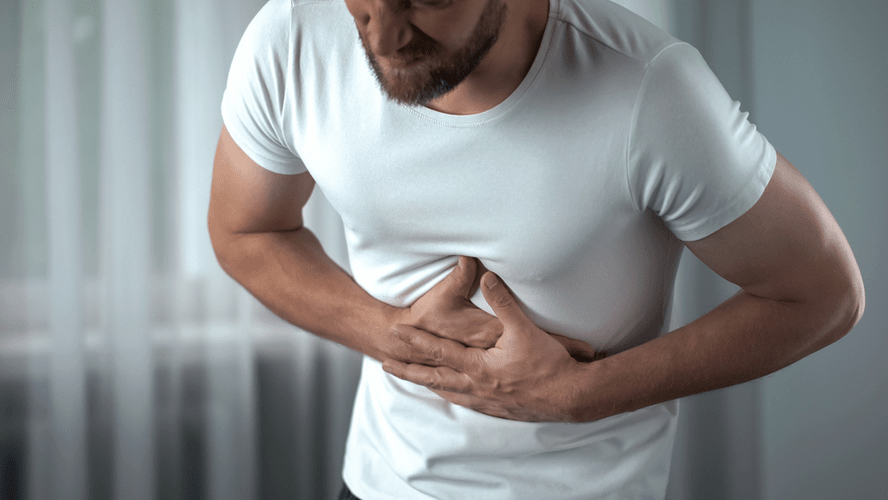
A person at this stage can barely move or stand, is prone to vomiting, and may slip in and out of consciousness. The chance of an alcohol overdose is very high here, and medical help should be sought immediately. An intoxicated person at this stage may show slowed reaction times, reduced memory, blurred vision, and a lack of coordination. The level stages of alcohol intoxication of intoxication depends on how much alcohol has been consumed.